TROUT FLY FISHING TRIP


With a faint tint of dawn on the eastern horizon behind the still dark outline of the Irazu volcano, we begin our trout fishing trip at 5:00 AM with a pick-up at the client’s San Jose hotel. We then drive south through the still sleeping suburbs towards the Cerro de La Muerte on the Pan American highway, stopping en route a couple of hours later to have breakfast at a local restaurant in Empalme. This is a good opportunity to try the authentic Tico breakfast of Gallo Pinto, fried eggs with fresh farm cheese and hot coffee after experiencing the first brisk cold feeling of the now high altitude climate change. After travelling over some of the most spectacular scenic vistas of this elevated mountain route, we head off the highway to travel down a gravel road to San Gerardo de Dota. Here the country scene takes on a dramatic change from what one usually expects of a tropical country. Dense oaks and other cloud forest trees draped with moss and tilancias, give a feeling of a more temperate zone and a formal order to the steep precarious mountain slopes. The winding road eventually reaches the more level terrain of the San Gerardo valley and presents our first glimpse of the crystal clear pools of the rushing Rio Savegre. An angler can fish for two days along this stretch of the Rio Savegre without having to repeat the same water or pool location. There are about six good entry points to begin fly fishing and this will depend upon the estimated skill of the angler and the preference of the fly fisher being for dry or wet flies primarily. There is also the physical difficulty factor to be considered with regards to the uneven boulder strewn terrain, though most of the good pools are easily accessed and wet wading is not a problem.


This is all mainly pocket-water fishing and the accurate use of the roll cast is a requisite to be successful in getting the fly to the ideal spots in the pools. The water is generally very clear and the surface feeding wild trout are easy to spook. Stealth fishing is the best producer and care should be taken when approaching a pool since the fish are very skittish and dart into the deep as soon as they see a flashing flyline overhead, are startled by the splash of a weighted fly or sense heavy walking on the nearby gravel banks. Stealth fly fishing is also greatly assisted by the use of camouflage clothing and exercising slow calculated egret movements with a low profile to blend perfectly into the background forest foliage.


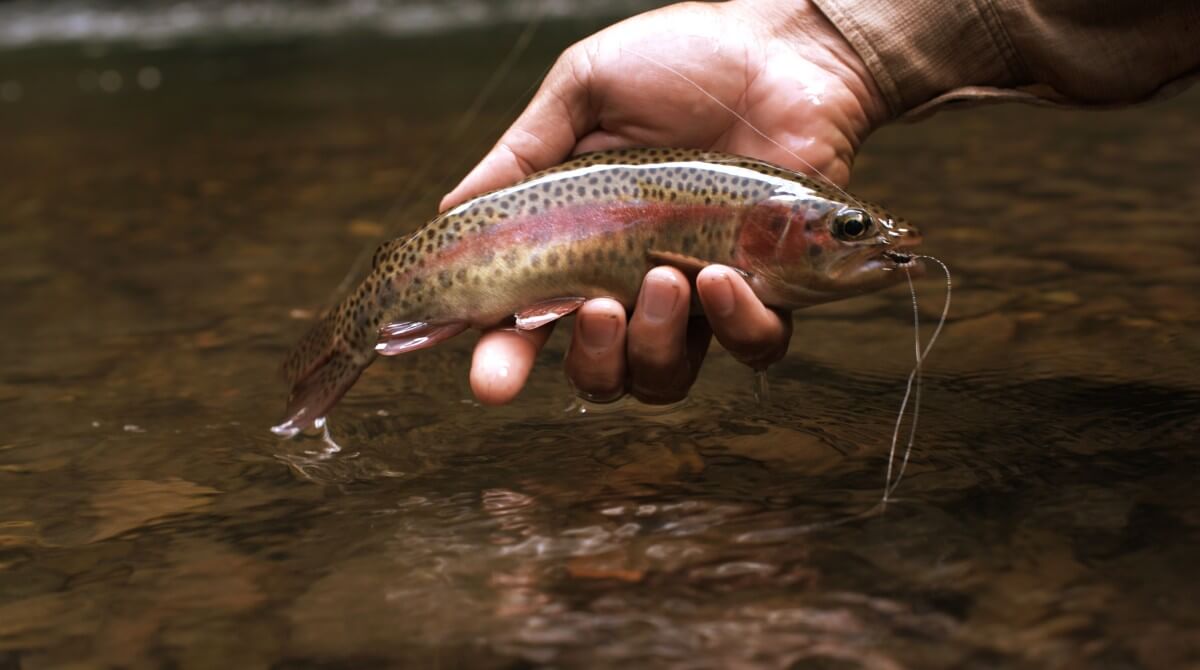
The ‘tico’ rainbow trout has become very adapted to the conditions in these turbulent rivers and have survived various threats from native animals and even some aquatic predators. The rainbow trout is the only fish found in the rivers at this high altitude and all fish are released with care back to the river to preserve this wonderful unique sporting resource, generally unexpected in this tropical sport fishing Mecca of Costa Rica.


Sporadic fly hatches give a wide spectrum of food choices to the trout and they are not very selective at times. Just get the fly well presented and they will take it. Observation of their feeding activity will give a hint as to what they are taking and this can change from minute to minute or pool to pool. Be prepared to do a lot of fly changing and not be afraid to tie on some unusual fly patterns. The defining point of success is definitely the fly presentation and depth of drift. Using weighted nymphs will assist this and the use of a strike indicator can increase the catch rate and reduce some stress levels.


An angler can expect to catch and release between 15 to 55 fish per day, depending upon the fly fishing skill and patience or persistence exercised when fishing this wild river. Trout sizes vary between 8 and 16 inches with some larger ones present in the deeper pools, though at times they are easily hooked in the small pocket pools between large rock boulders in the fast water.


Wet wading is comfortable once the correct shoes are worn. Non slip soles help a lot on the slippery rocks and there should also be some protection to the ankles from the rocks. Long pants also are advised since there are lots of blackberry bushes growing along the streams and their thorns are particularly aggressive. Apart from stingless bees, salt flies and some ants… there is really nothing dangerous to be watchful for. Some of the trees do have some vicious thorns and discarded barbed wire strands exists on some old abandoned fence posts.


At midday a packed lunch and refreshments are provided and preparations made for the afternoon fishing. The larger and deeper pools down river are then fished and these can provide some bigger fish when using larger Caddis flies and #10 nymph patterns.


All the fly fishing in these cloud forest cold rivers can be easily undertaken using 2, 3 or 4 weight fly rods with floating lines, some with sink tips when nymphing in the bigger pools. The use of barbless hooks on flies also makes it easier to release the trout.


Depending upon the weather, the fishing usually ends at 4:00 PM and a coffee stop is made on the return trip back to San Jose with the drop-off at the desired hotel at abut 7:00 PM


Fly Fishing tackle is offered for rent for the trip on a daily rate and should be requested prior to undertaking the trip.


© 2012 Fly Fishing in Costa Rica, Peter Gorinsky
Call now: (506) 2289-6611
Diseño web en Costa Rica TicoDesign